Shawn Salamida: The Leadership Behind the Care
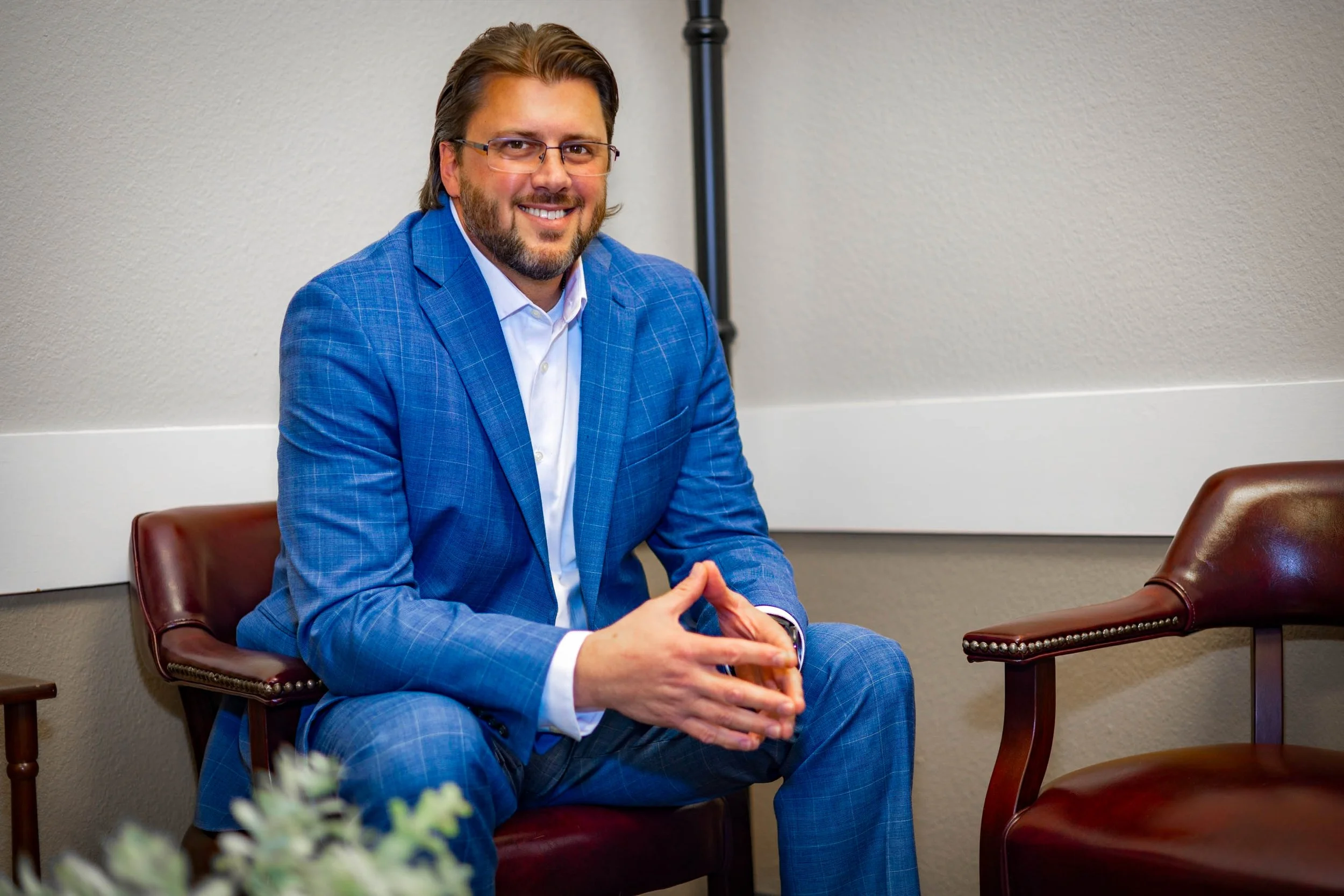
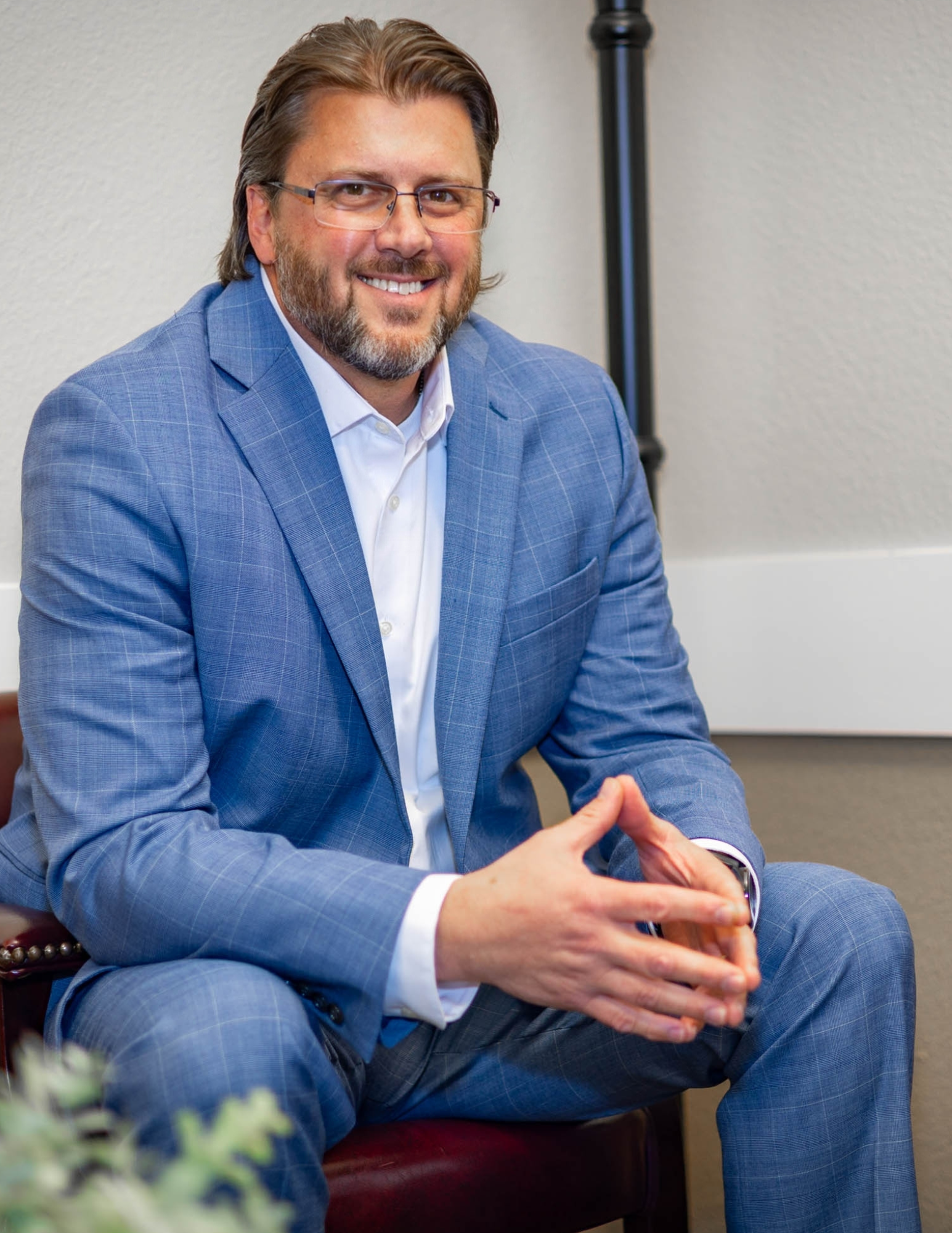
Shawn Salamida, President of Lakeview Center
At Lakeview Center in Pensacola, Shawn Salamida has spent his career helping build something most people hope they never need—but are profoundly grateful to find when they do.
There are leaders whose work is easy to see.
They open buildings. Launch companies. Cut ribbons. Stand behind podiums. And then there are leaders whose influence is felt in quieter ways. A family finds help during a crisis. A person struggling with addiction reaches treatment. Someone living with a mental health condition is connected with the right level of care. A clinician has the resources and support to keep doing difficult, necessary work. Much of that happens far from public view.
For Shawn Salamida, President of Lakeview Center in Pensacola, Florida, that is precisely where leadership has taken shape.
His career has unfolded across behavioral health, child welfare and human services fields that rarely offer simple problems or easy answers. They demand patience, collaboration and an ability to see beyond the immediate crisis to the larger system surrounding it. Salamida has spent decades doing just that.
A Career That Kept Returning to People
Long before he became president of Lakeview Center, Salamida worked closer to the front lines of care.
His early career included mental health, counseling and human services before expanding into child welfare and, eventually, executive leadership. Over time, his responsibilities grew larger, but the nature of the work remained strikingly consistent: people and families navigating difficult chapters of their lives. That continuity matters. Leadership in human services looks different when you have spent time understanding the lives behind the programs.
For Salamida, there is a personal dimension to that story as well. He grew up in a family of 10 brothers and sisters, seven of whom were adopted. He and his wife, Kathy, later built a family of six children, including two adopted from foster care. It is not difficult to see why the language of family, support and community has remained so close to his professional life.
Today, Salamida leads Lakeview Center, the behavioral health affiliate of LifeView Group, while also serving as Vice President of LifeView Group. Lakeview Center provides crisis, outpatient, residential and community-based behavioral health services across Northwest Florida and reports serving more than 29,000 people each year.
That is a large number. But in behavioral health, scale can be misleading. Twenty-nine thousand people is not one story. It is 29,000 different ones.
When Someone Needs Help Now
Every community eventually confronts the same difficult question: What happens when someone is in crisis? Not next week. Not after an appointment becomes available.
Now. For people experiencing an acute mental health or substance-use crisis, the difference between a complicated system and a coordinated one can be enormous. That challenge is part of what Lakeview Center has been working to address in Pensacola. In 2024, the organization opened a Central Receiving Facility and Crisis Stabilization Unit designed to create a more direct pathway into behavioral healthcare for adults experiencing crisis. By April 2026, Lakeview Center reported more than 7,500 Baker Act screenings through the facility.
Behind that number is something much more important: movement. Movement from crisis toward evaluation. From evaluation toward treatment. From treatment toward whatever comes next. For Salamida, this is where leadership becomes less about the title on an office door and more about whether the system works when someone needs it most. A strong behavioral health organization cannot operate in isolation. Hospitals, law enforcement, clinicians, families, social-service organizations and community partners all become part of the same picture. The work is complicated because people are complicated.
And the best systems are often the ones that recognize that reality rather than trying to force every person into the same pathway.
The Work Behind the Work
Healthcare stories often center, naturally, on practitioners. We see the physician. The nurse. The therapist. The counselor. The social worker. But there is another layer of healthcare that is easier to overlook: the infrastructure that allows those professionals to do their jobs well. Someone has to recruit and retain teams. Someone has to build programs. Someone has to make difficult decisions about resources. Someone has to create partnerships, respond to changing community needs and think several years beyond the crisis immediately in front of them.
That is the work behind the work. It is also where Salamida has spent much of his career. His leadership at Lakeview Center sits at the intersection of mission and management. The organization must remain operationally strong while never losing sight of why it exists in the first place. That balance is not unique to behavioral health, but the stakes can feel especially immediate there.
If a system breaks down, the consequences are not abstract. A person may not get help. A family may not know where to turn. A clinician may be stretched too thin. A crisis can become something larger.
Behavioral Health Is a Community Story
Mental health and substance-use care were once too often spoken about as though they belonged on the margins of community life. They do not. Behavioral health touches workplaces and schools. It touches hospitals and law enforcement. It touches families, courts, businesses and neighborhoods. In other words, it touches the health of a city. That is why the work being done by Lakeview Center in Pensacola matters beyond the organization itself. It is part of the larger infrastructure of Northwest Florida.
For Salamida, that has also meant participating in conversations beyond Lakeview Center. His statewide involvement with the Florida Behavioral Health Association connects his local leadership in Pensacola with broader discussions surrounding access to care, mental health services, substance-use treatment and the future of behavioral healthcare across Florida. But even at that broader level, the central question remains familiar: How do we make the system work better for the person who needs it?
A Place in the Practitioners Collective
That question is also what makes Shawn Salamida an important part of the CityBox Magazine Practitioners Collective.
The Collective was never intended to focus only on people in white coats. Healthcare is an ecosystem. It includes physicians, specialists, therapists and clinicians—but also the leaders responsible for creating the organizations, systems and partnerships that make care possible.
Salamida brings that perspective. His story broadens the conversation. It reminds us that sometimes the person shaping healthcare is not the one delivering treatment directly. Sometimes it is the leader making sure the doors stay open, the teams are supported, the programs exist and the connections between them actually work. That may not be the most visible form of leadership. But it can be one of the most consequential.
What Remains When Leadership Works
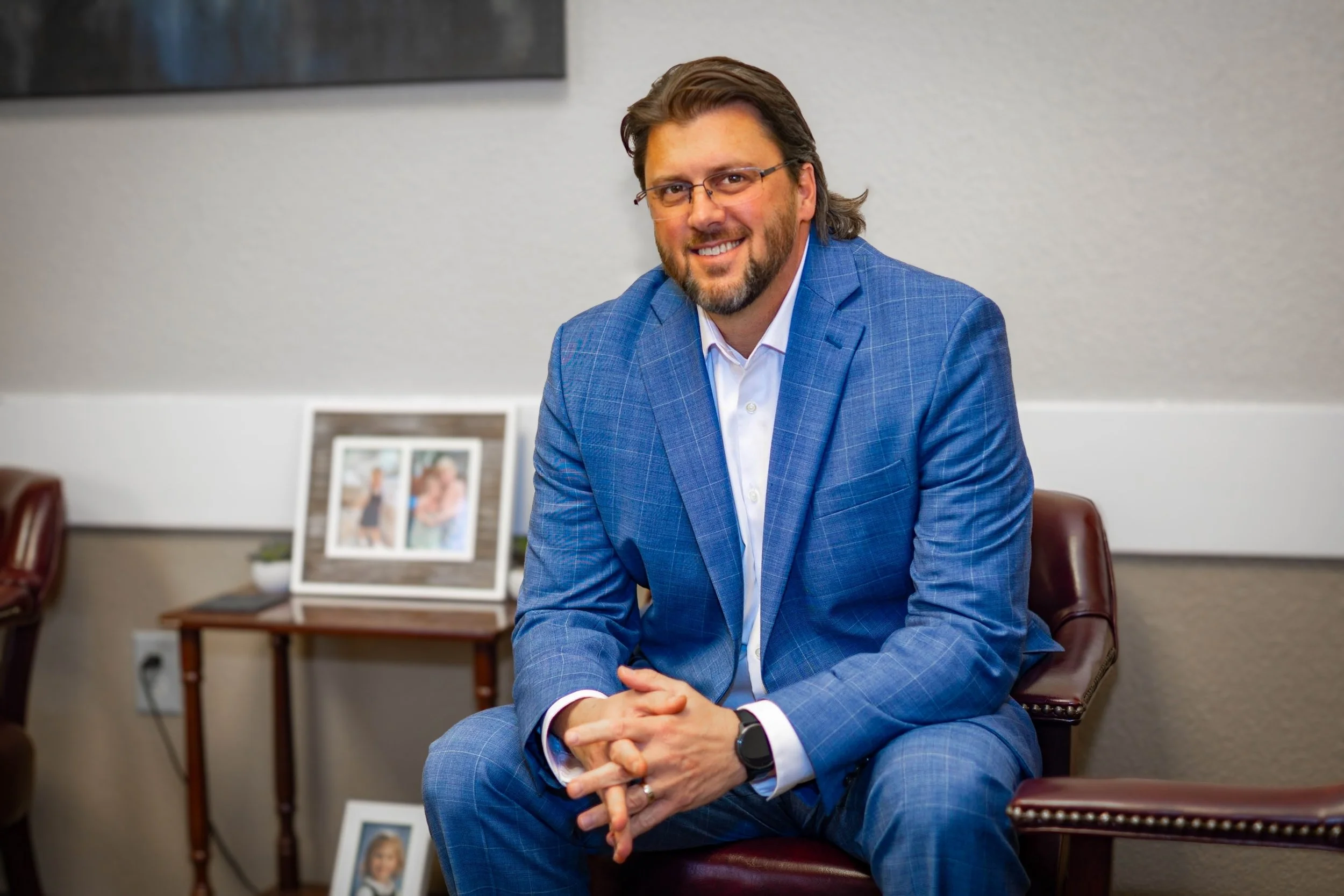
Shawn Salamida, President of Lakeview Center
There is a temptation to measure leadership through the things that are easiest to count.
Revenue. Growth. Awards. Titles. Expansion. But in human services, the most meaningful measures are often less polished. Was someone helped? Did a family find support? Did a person in crisis reach the right place sooner? Did a professional have what they needed to do their job? Did two organizations cooperate when it mattered? Did someone who felt lost find a next step? Those questions tell a different kind of leadership story.
And they may say more about Shawn Salamida’s career than any title ever could. His journey—from counseling and human services to child welfare and executive leadership—has been shaped by the systems people depend on during some of their most difficult moments.
Today, from Lakeview Center in Pensacola, that work continues across Northwest Florida. Not always loudly. Not always visibly. But every day, somewhere, a person walks through a door looking for help. The quality of the system waiting on the other side matters.
And so does the leadership behind it.
Discover. Document. Connect.
Where Leadership Becomes Legacy.